How Europe creates affordable housing: three models to consider in Ukraine's reconstruction
Affordable housing is becoming a strategic issue for all countries undergoing transformation or rapid growth. For Ukraine, the issue is particularly important: the need for new housing exceeds 600 million m²[[tip: According to Yevhen Metsger, Chairman of the Board of Ukrfinzhytlo]], while the market for new projects remains limited. European experience shows that systemic solutions are only possible when housing policy is combined with urban planning, financing, and public-private partnerships.
Let's consider three large-scale examples: Lausanne, Leipzig, and Wrocław, which formed the basis of a recent analytical review (2025) on affordable housing in large urban projects in Central and Eastern Europe.
1. Lausanne (Switzerland): affordable housing as part of urban strategy
Lausanne implements one of the most consistent affordable housing policies in Europe. In large urban areas, affordable or cooperative housing accounts for 30 to 40% of the total, and this requirement is enshrined in urban planning regulations. Housing is not separated into special sections — it is integrated into neighborhoods with the same architectural and amenity standards.
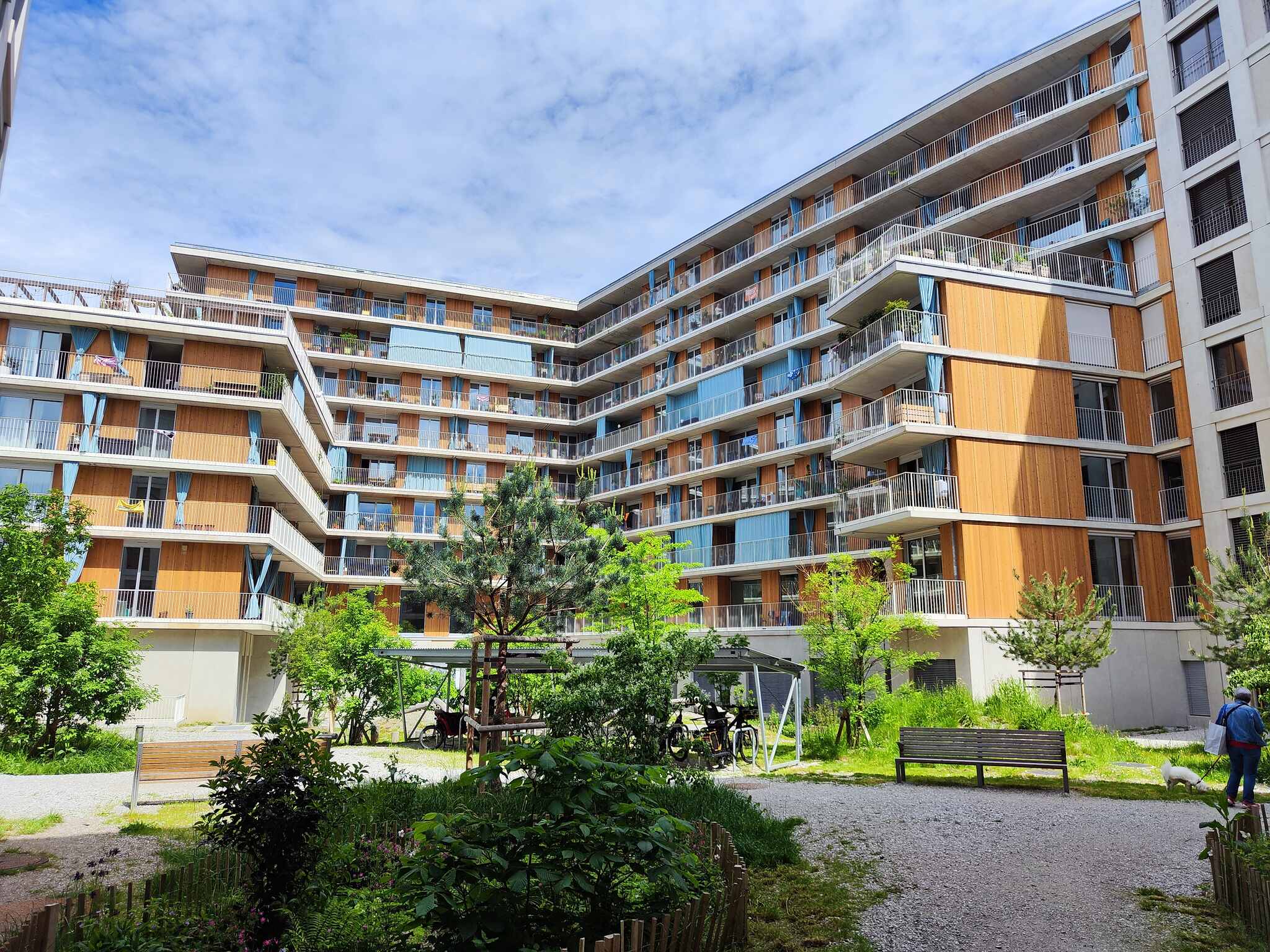
What is important:
- The city owns the land and sets the rules for developers.
- Long-term financing models through housing cooperatives are used.
- Affordable housing is always accompanied by schools, public spaces, transportation, and recreation.
- New districts are designed with a mix of functions: housing, work, commerce, and mobility.
This creates an environment where affordable housing is not a "social segment" — it is part of the basic quality of the city.
2. Leipzig (Germany): the strong role of municipal housing companies
Leipzig demonstrates a different approach— the city is a key player in the housing market. Municipal housing companies operate there, owning a large stock of apartments and ensuring stable rental prices. In new large-scale districts, municipal operators receive a portion of the housing or build it themselves.
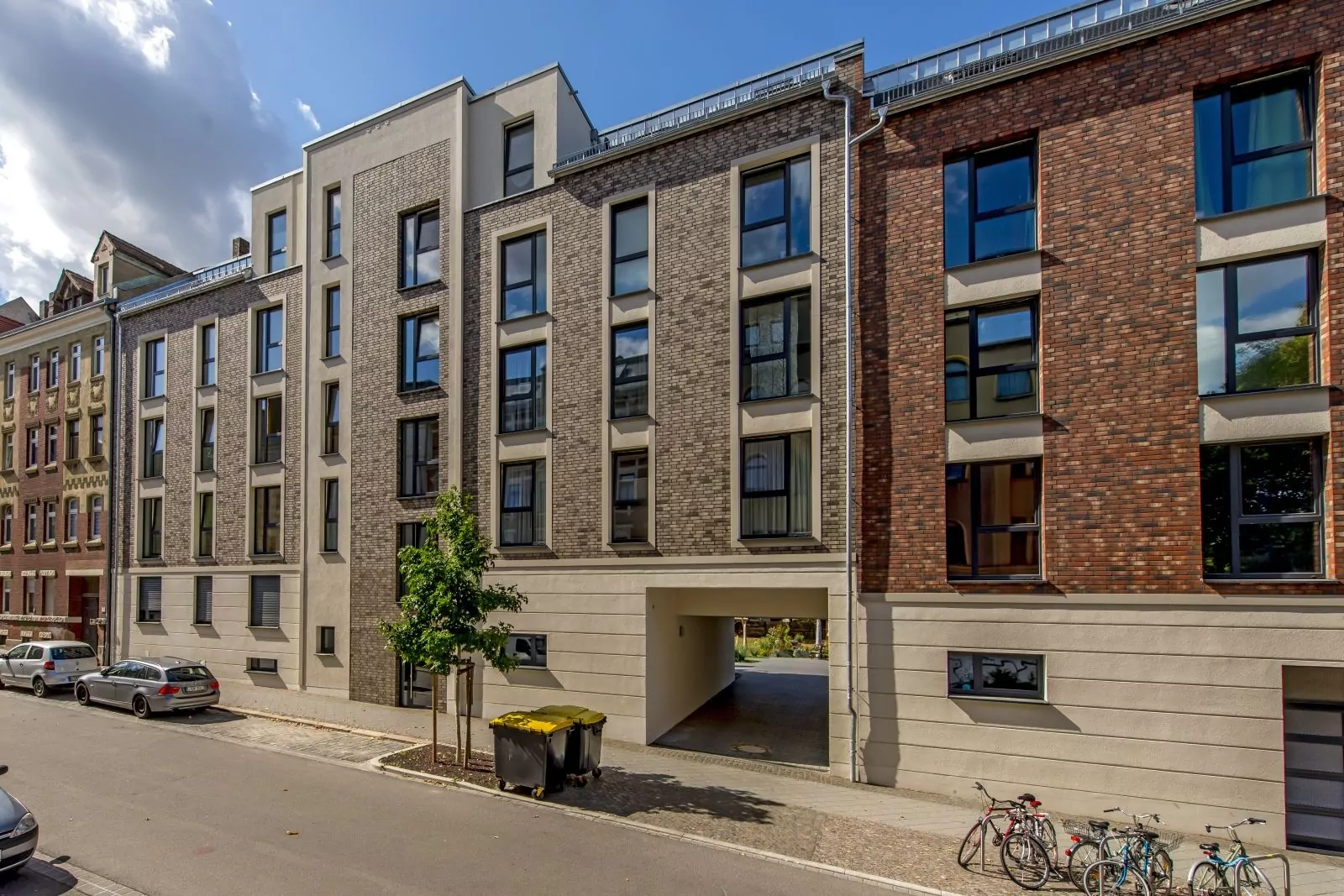
Key features:
- The municipal housing company is one of the largest landlords.
- Affordable housing is integrated into large areas on a par with market housing.
- Long-term lease agreements with controlled indexation.
- Separate programs for students, social workers, and young families.
Leipzig demonstrates that renting can be not just a temporary solution, but a structural element of urban housing policy.
3. Wrocław (Poland): public-private partnerships in neighborhood construction

Large residential projects are being implemented in Wrocław based on the PPP model, where the city and the developer jointly form the structure of the future district. The city provides planning, infrastructure, and land allocation, while the developer designs and builds the houses. Some of the apartments are transferred to the city — either as property or for long-term management.
Model features:
- Priority — complex territories with 2–4 thousand inhabitants.
- Construction is accelerated thanks to modular and steel technologies.
- The city receives real housing stock, not "quotas on paper."
- Affordable housing is not segregated; standards are uniform throughout the neighborhood.
The PPP model makes it possible to build quickly, on a large scale, and without compromising quality.
European experience shows that affordable housing works where there are not just individual projects, but comprehensive state and municipal policies — with clear rules, regulations, long-term funding, and partnerships with developers.
For Ukraine, this means a transition from ad hoc solutions to a systematic approach: integrated neighborhoods instead of individual buildings, integration of social infrastructure, the role of municipalities as active customers and owners of part of the housing stock, and transparent conditions for the private sector. It is precisely this strategic model that creates the predictability, trust, and scale necessary to rebuild the country and overcome the housing shortage.


