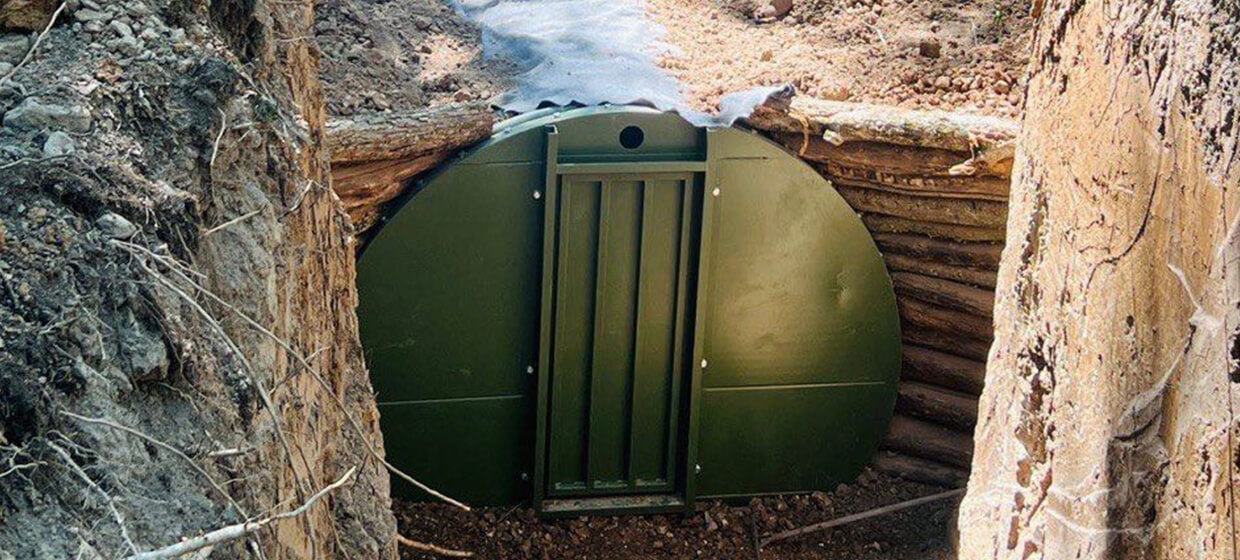
Military fortifications in the eastern direction
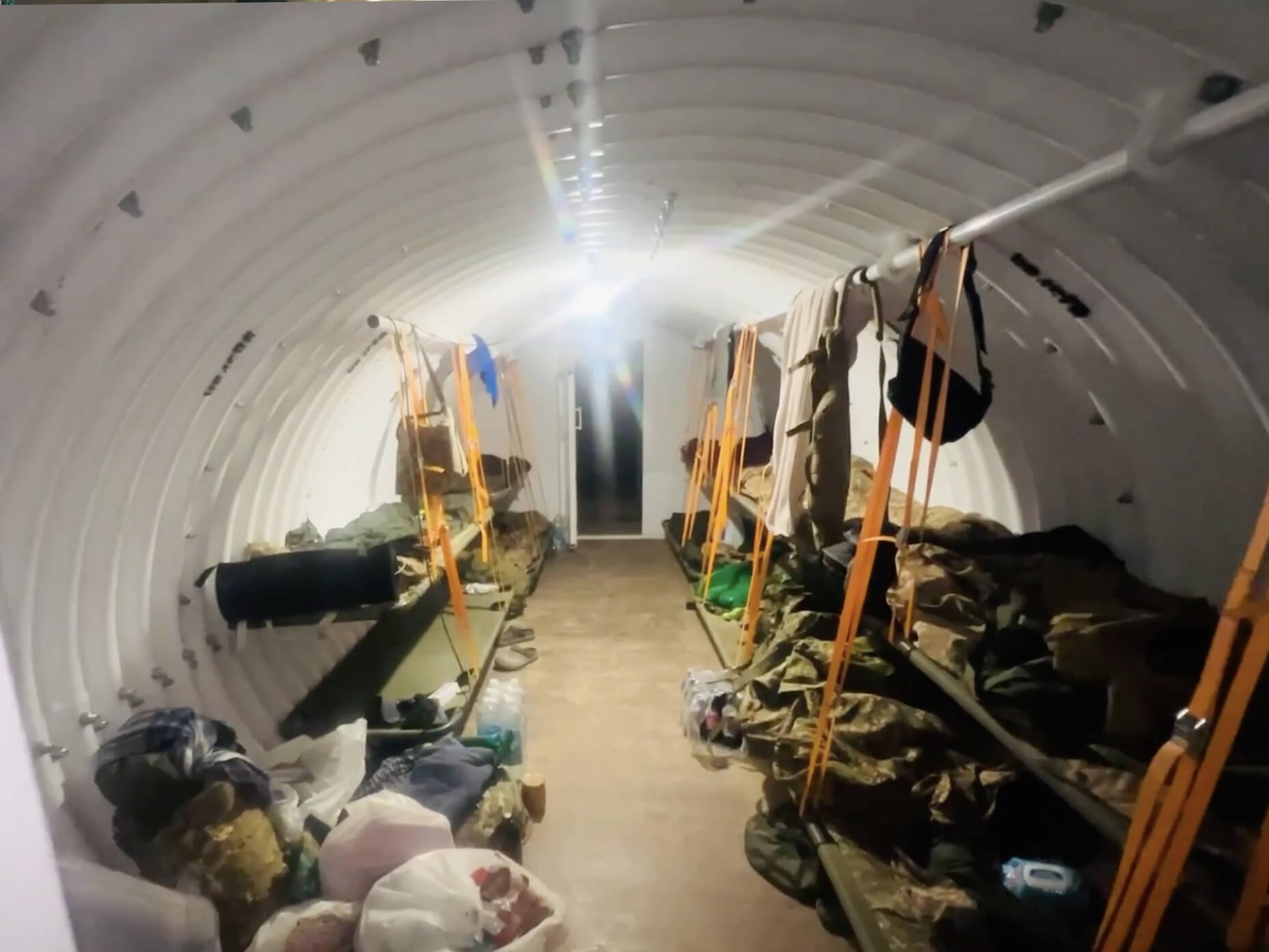
The Ukrainian Association of Developers has completed the construction of military fortifications in the eastern direction, stretching 2 kilometers and connecting 12 underground fortifications of the UGS with each other.
.jpg)
As part of the project, the Association raised funds for construction and took on the role of project office, from finding contractors and analyzing commercial proposals to optimizing costs and engaging specialists to digitize solutions. The key result of this case was the construction of fortifications in the Kharkiv direction with equipped underground shelters and communication routes, which are already in active use.
It all started with a request from the military of one of the brigades of the Ukrainian Defense Forces, who asked for professional help.
"We received a request specifying: 2 km of communication routes, 12 underground fortifications of the UGS. That is, we needed corrugated steel shelters that had to be buried underground, covered from above, and, accordingly, communication routes between them," notes Yevgeny Favorov.
.jpg)
To implement a project of the highest quality, the AIMM architectural bureau was engaged, which already had practical experience in planning similar architectural and engineering works.
The fortifications are designed as underground shelters made of corrugated metal structures reinforced with wooden elements and drainage systems. The project provides protection against moisture, stability of soil loads, and a convenient system of internal communication between positions, which increases the safety and autonomy of personnel.
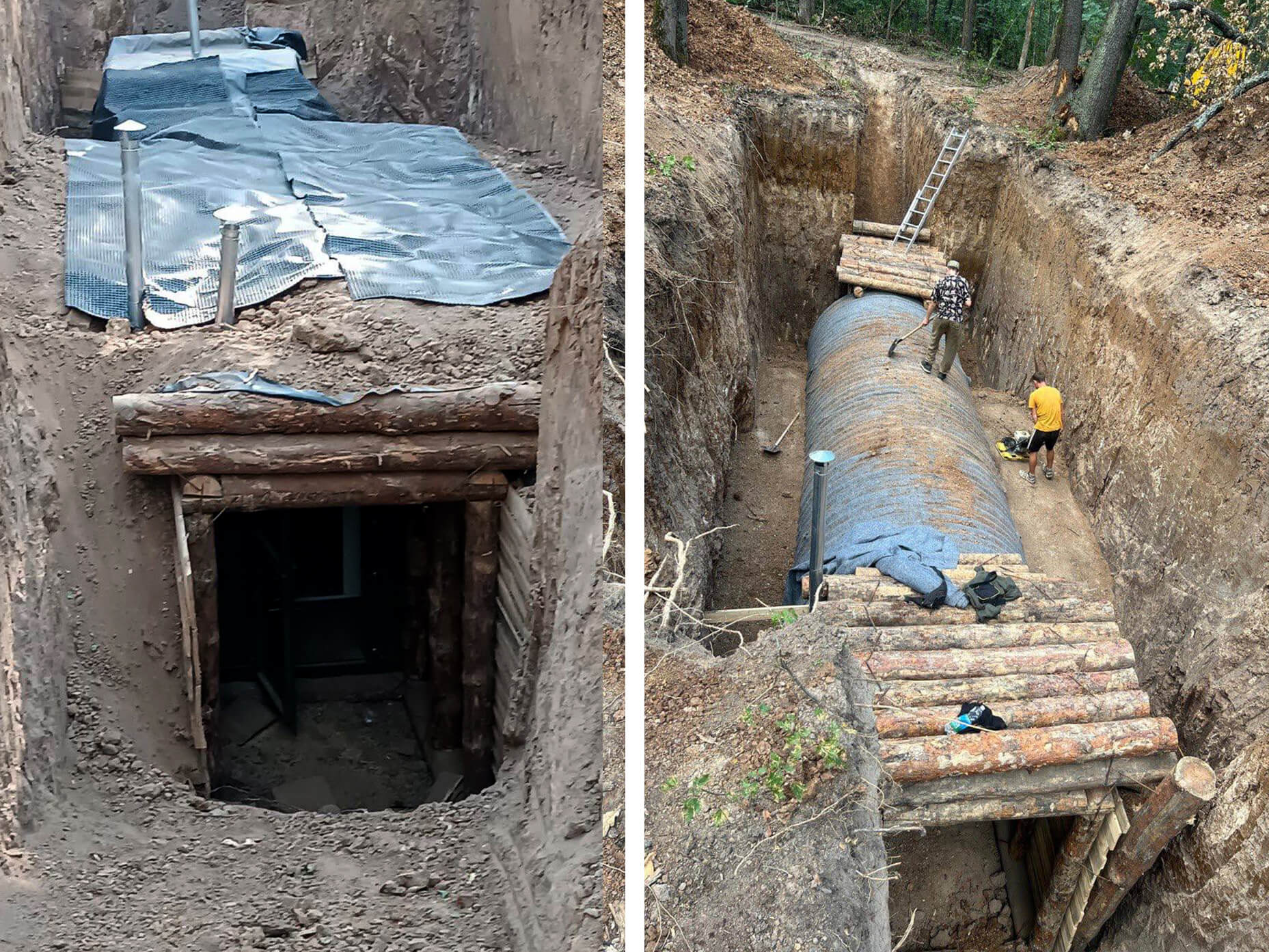
The project-based approach to fortifications—from systematic planning to engineering calculations and digital modeling of solutions—was a particularly valuable aspect of this case study. Thanks to this, the fortifications were implemented not as a one-off improvised object, but as a structured engineering product that can be scaled and adapted for other units of the Ukrainian Armed Forces.
Together, the team developed a project solution — a document with plans and engineering calculations. This software solution can be a useful tool for other Defense Forces units — as a guideline for planning, designing, and implementing protective structures.
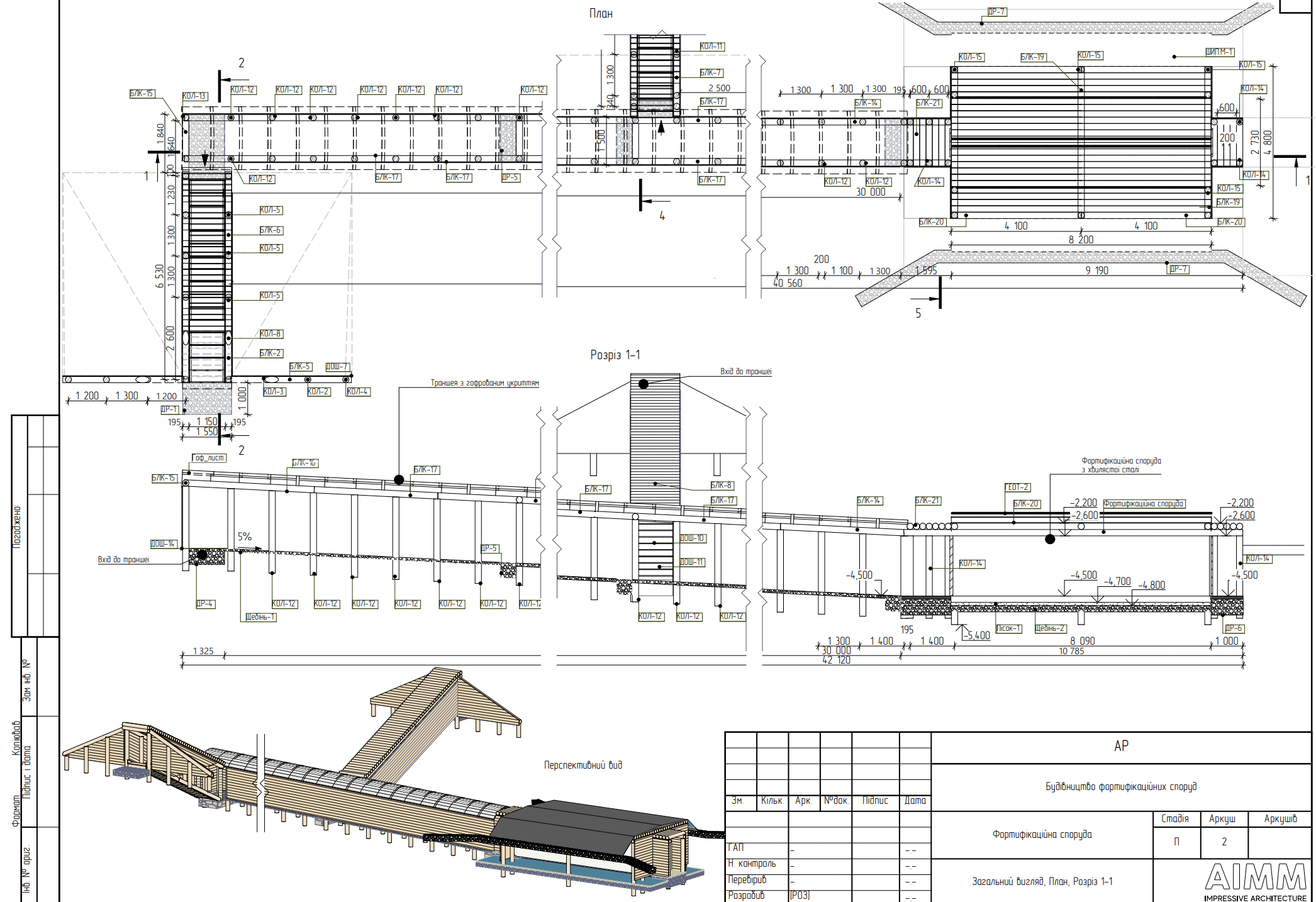
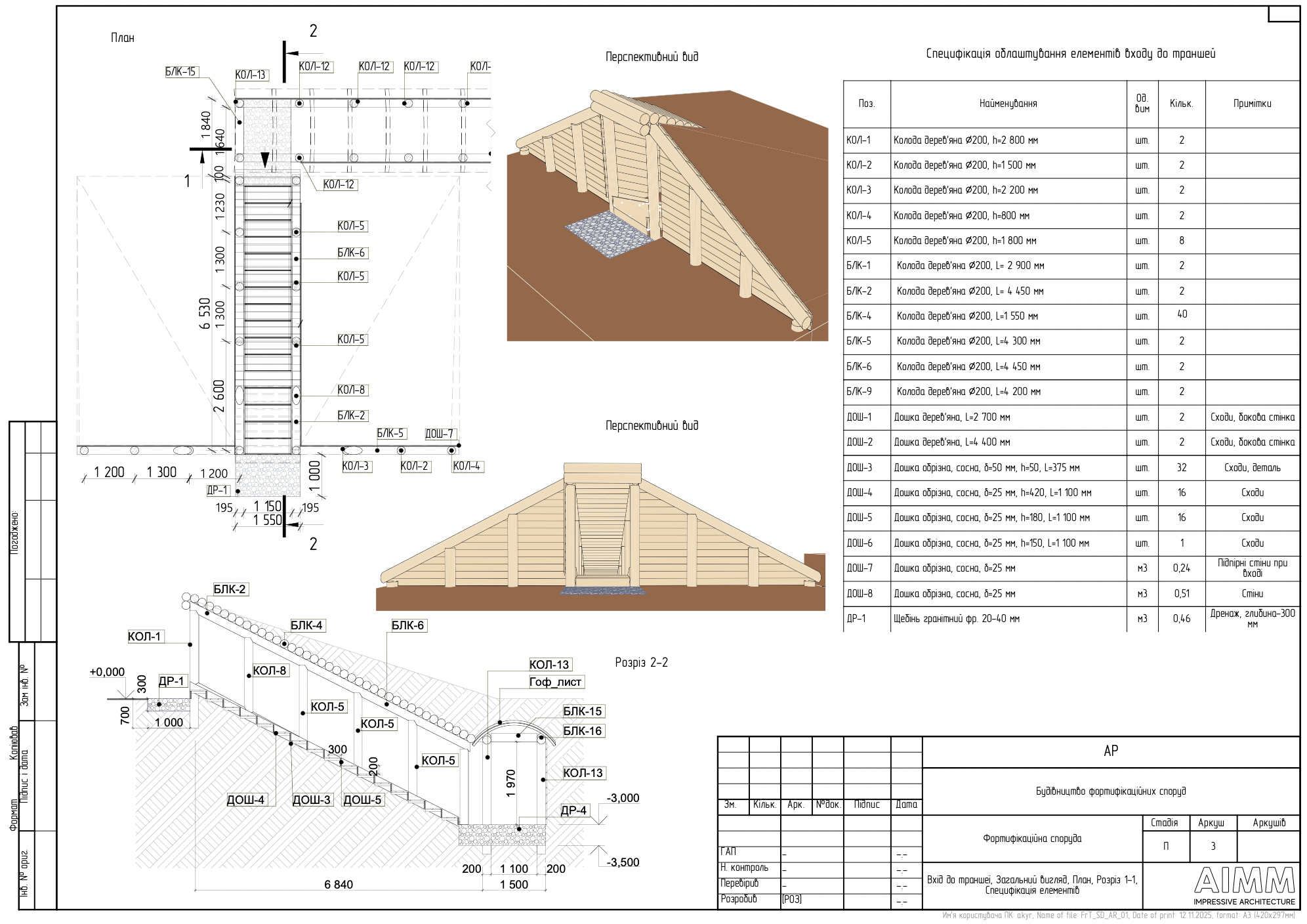
Modern warfare requires new approaches to fortifications—instead of large strongholds, dispersed, deepened, and autonomous shelters adapted to airborne threats are becoming more effective.
The case presented is not a universal "typical project," but it clearly demonstrates the process, logic, and engineering principles that can be adapted to different landscapes, tasks, and defense formats. The Association of Developers emphasizes that this experience is open to further refinement and can become the basis for joint work with other brigades of the Ukrainian Defense Forces.
From resource assistance to expertise assistance
The head of the Developers Association, Yevgeny Favorov, noted that this case was a logical continuation of the Association's chosen course on social responsibility.
"In addition to working with the authorities and protecting the interests of buyers and developers, our Association consciously chose the path of social responsibility last year. The key area for us today is the military and assistance to the military," Favorov emphasized.
During the full-scale war, member companies of the Association of Developers provided the military with construction machinery and equipment, and donated a total of UAH 1.5 billion in aid. But the Association does not only build and transfer engineering solutions, forming a knowledge base and laying the foundations for a scalable approach. They also see the potential to help with their expertise.
That is why the Association is considering the possibility of creating an expert community of architects, engineers, designers, and contractors that will be able to respond to military requests, systematize and digitize accumulated experience, and scale effective solutions.
This case demonstrates the transition from one-time material assistance to systematic support for the military through engineering and architectural expertise. It is not just about the construction of individual facilities, but about the formation of long-term solutions that can increase the effectiveness of defense and save the lives of military personnel.
For more details about the public presentation of the case study and discussion, please visit the website at link.