Panel Discussion: The Real Estate Market in 2026: New Profitability Models for Developers
Moderator: Vitaliy Melnyk — Vice President of UDP, Head of Innovation Park Development
Speakers:
- Dmytro Struk — Director of Development at Creator-Bud
- Mark Marchenko – CEO of Sensar Development, co-founder of UniClinic
- Rostislav Melnyk – Founder of RIEL
- Vitaliy Borul — CEO of Credo Development
- Serhiy Odarych — Founder and CEO of ODA Development
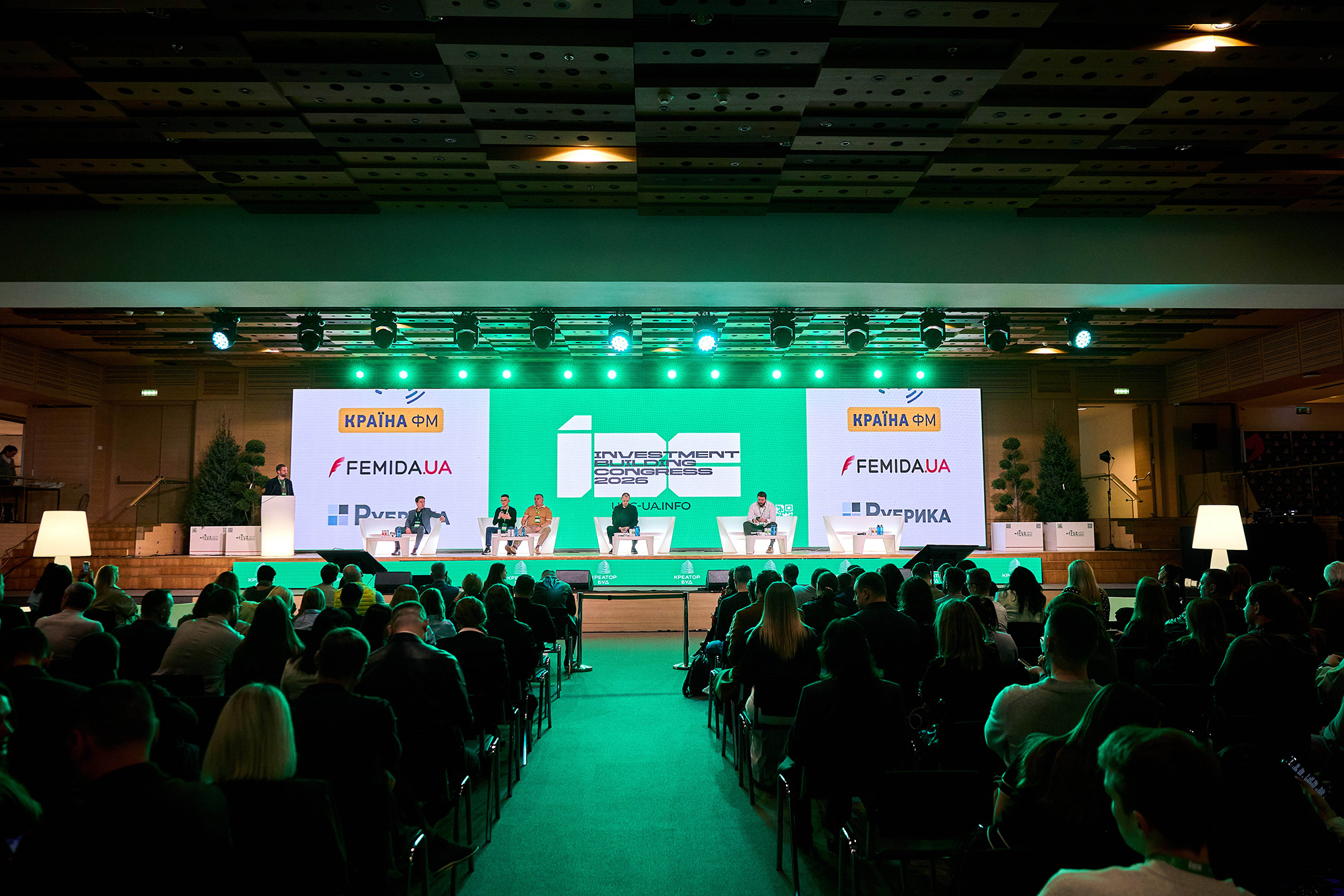
At the IVS, developers discussed what will drive profitability in the real estate market in 2026.
During the panel discussion “Real Estate Market 2026: New Profitability Models for Developers,” market participants discussed how approaches to development are changing, what factors currently influence project margins, and what buyers expect from housing. The discussion took place as part of the IVS and brought together representatives from leading development companies.
The panel was moderated by Vitaliy Melnyk, Vice President of UDP and Head of Innovation Park Development. The discussion was joined by Dmytro Struk, Director of Development at Creator-Bud; Mark Marchenko, CEO of Sensar Development; Rostyslav Melnyk, founder of RIEL; Vitaliy Borul, CEO of Credo Development; and Serhiy Odarych, founder and CEO of ODA Development.
One of the key takeaways from the discussion is that the profitability of the real estate development business today is determined not by a single factor, but by a combination of several elements: reputation, access to financing, and a strong product. The viability of a project and its profit margin depend precisely on the balance between these factors.
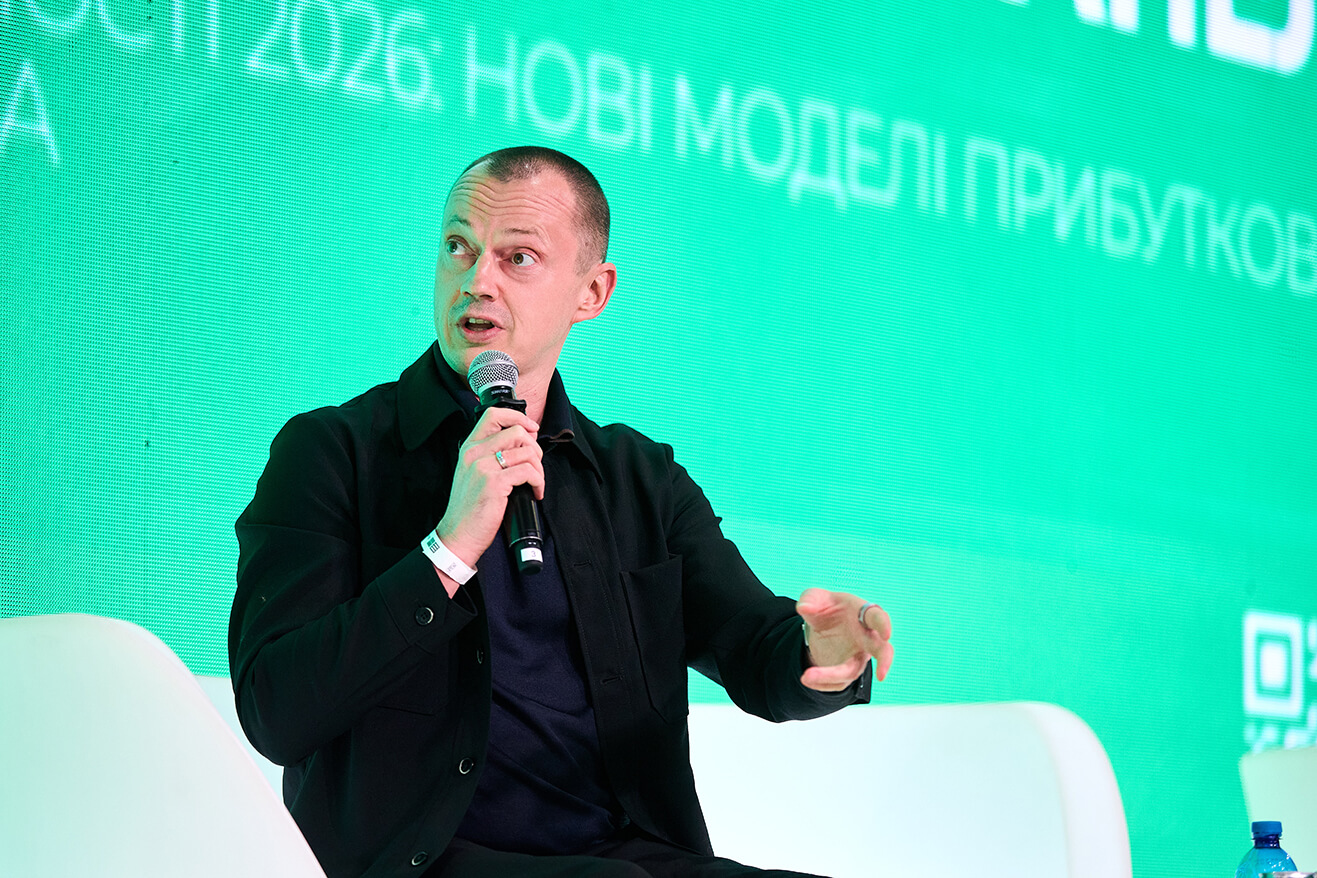
“I believe these three factors are essential for generating a profit margin. The better the reputation, the more money, and the stronger the product—the higher the margin will be,” said Rostislav Melnyk, founder of RIEL.
At the same time, the panelists emphasized that it is impossible to identify just one decisive factor. Today’s market requires all of these elements to be present simultaneously.
“If you don’t have money, nothing will work out. If you don’t have a reputation, nothing will work out either. If you don’t have a product, nothing will work out either. You need to have it all,” said Rostislav.
The participants paid particular attention to the transformation of the sales model itself. Whereas the market was previously dominated by the “build—sell—profit” approach, buyers now expect much more than just square footage. They are looking for service, concept, environment, safety, energy efficiency, and a clear vision of the quality of life in the future project.
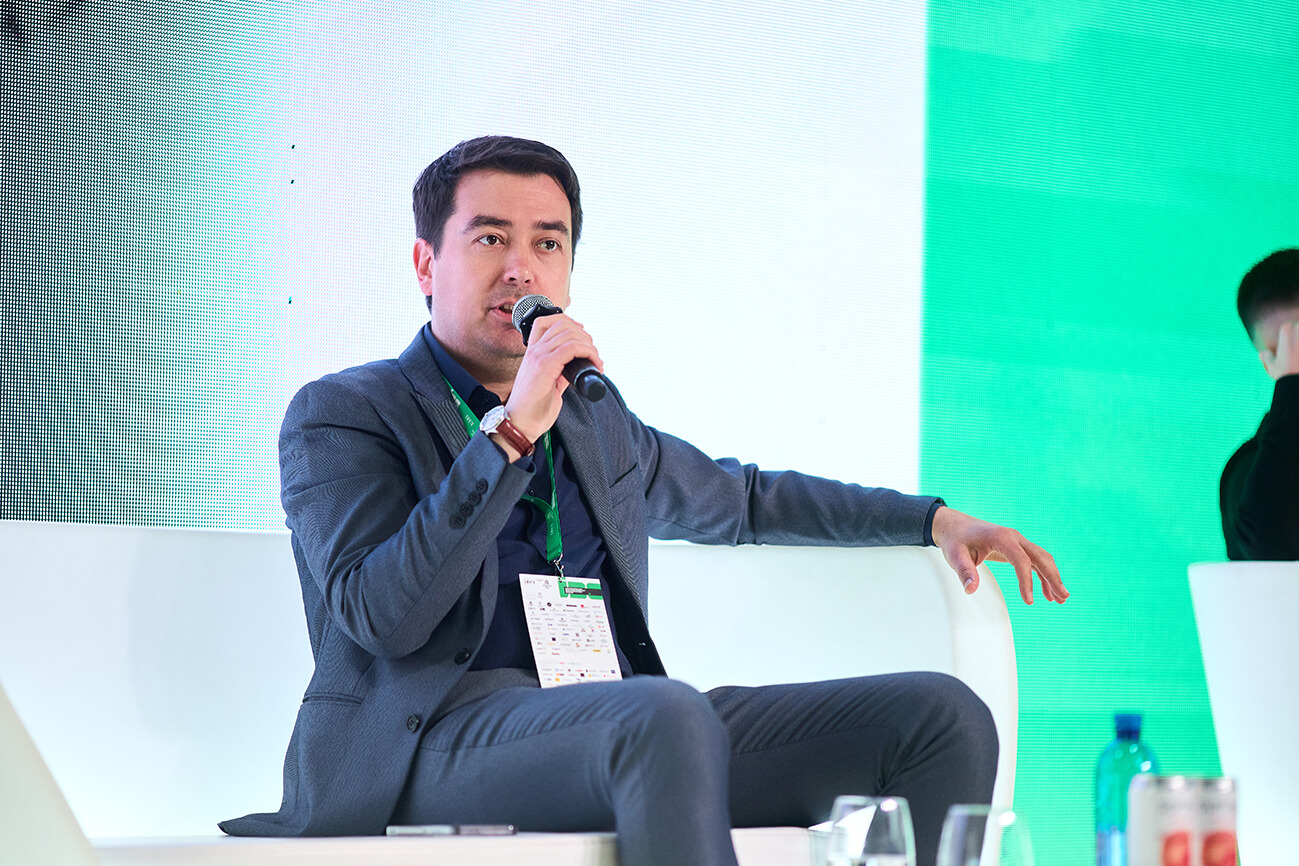
Dmytro Struk, Director of Development at “Creator-Bud,” also spoke about the growing importance of the service component. According to him, a new challenge for developers is creating additional “drawcards” for investors and buyers.
“We plan to provide high-quality services: ensuring that every residential complex has play areas for children, excellent sports facilities, and clear, easy access to the premises. The vision of a high-quality management company is the challenge we aim to meet. Energy efficiency is also a top priority,” said Dmytro Struk.
Another key point of the discussion was the growing importance of trust. Participants repeatedly emphasized that, in a market characterized by more cautious demand, buyers consider not only the price but also the developer’s reliability, reputation, and ability to deliver on promises and meet customer expectations.
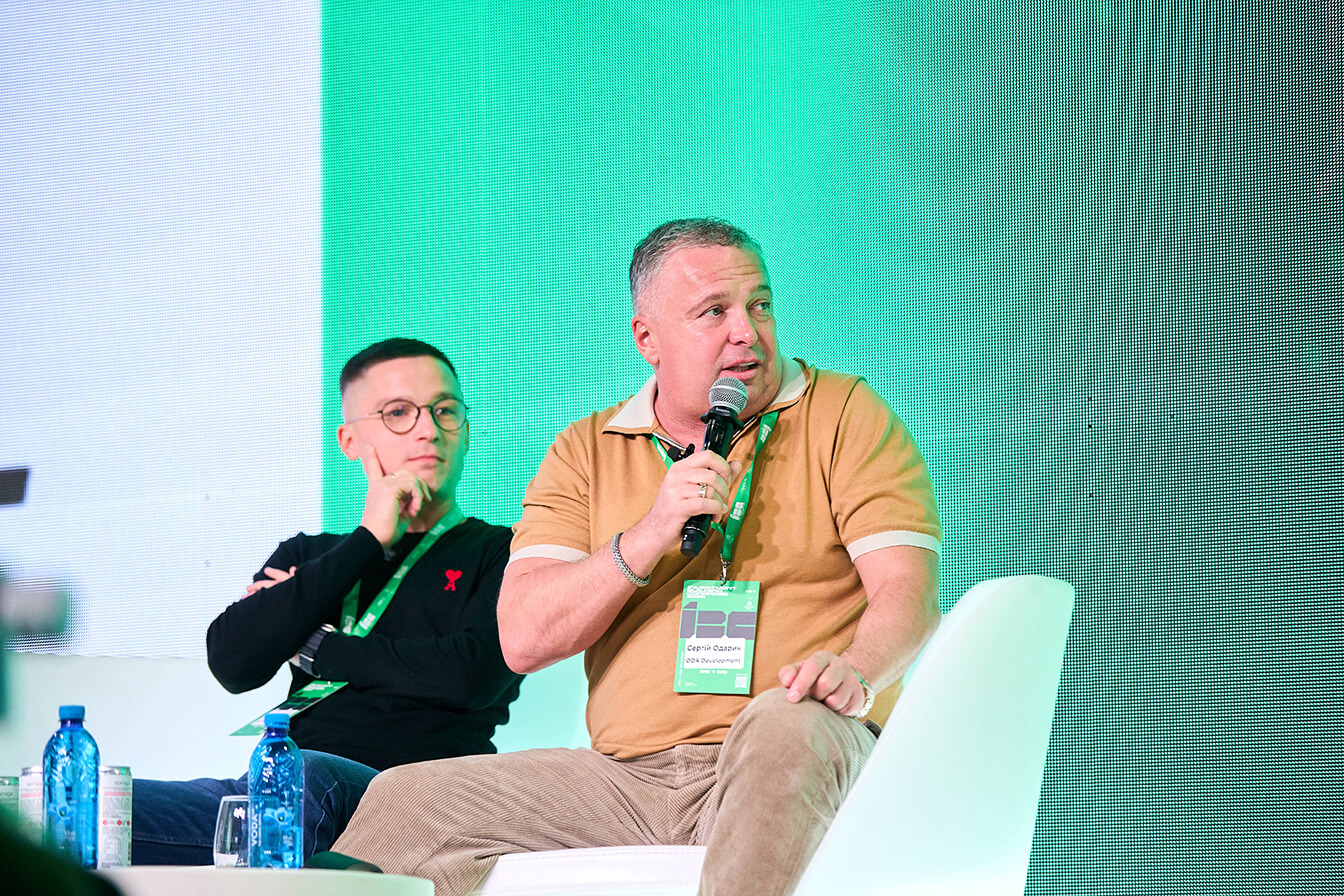
“I’m building, and people trust the visuals to know what I’m going to build. And that’s a huge responsibility. The main thing is that, once it’s finished, people will say that what they actually got was even better than what they saw in the renderings,” said Serhiy Odarych.
The participants also discussed how developers today address buyers’ expectations. According to Mark Marchenko, CEO of Sensar Development, a significant portion of the decision to purchase is based not only on the property’s physical characteristics but also on the lifestyle that the developer can convincingly showcase.
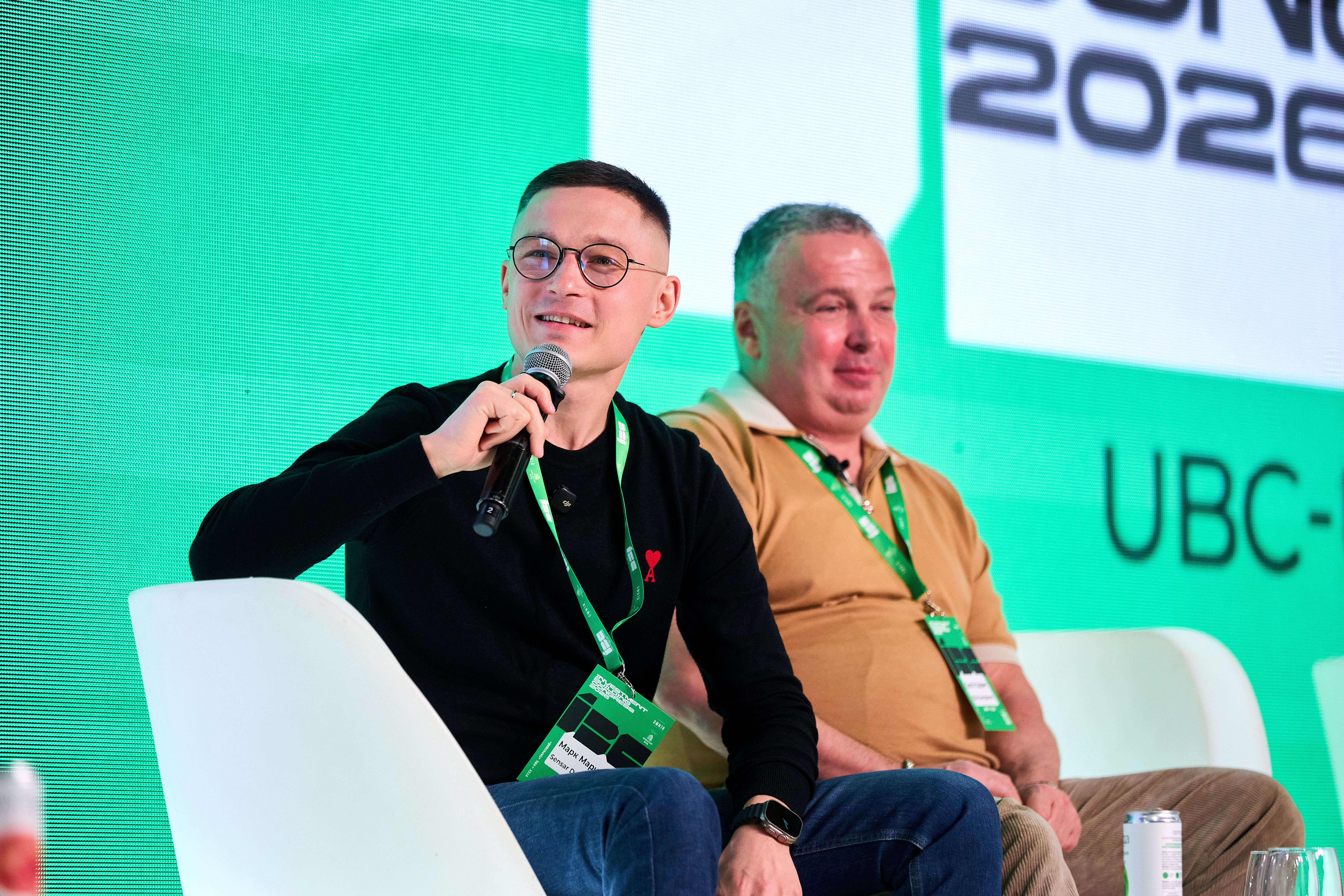
“Our market analysis shows that only 50% of the decision is based on the reality of what we offer. The other 50% consists of imagined depictions of what life will be like in this project. That is precisely why renderings, 3D models, and visualizations of the future environment have a real impact on the buyer’s decision,” noted Mark Marchenko.
Another key topic of the panel discussion was construction costs. Developers noted rising labor costs, a shortage of skilled workers, higher prices for building materials and fuel, and the overall strain on project finances. Against this backdrop, companies are forced not only to adjust prices but also to improve product quality so that buyers can see the true value of the offer.
“Production costs are rising every month. But we need to do more than just raise prices; we also need to improve the project. People will notice that,” emphasized Serhiy Odarych.
The panelists also suggested that prices in the primary market may continue to rise in the near term due to production costs and market factors. In particular, Dmytro Struk expressed the expectation that growth next year could amount to at least 15–20% above current levels.
In wrapping up the discussion, the speakers effectively outlined a new model of profitability in the real estate market: today, it is based not only on sales, but on a combination of reputation, trust, service, a strong concept, a high-quality product, and the company’s financial stability.


